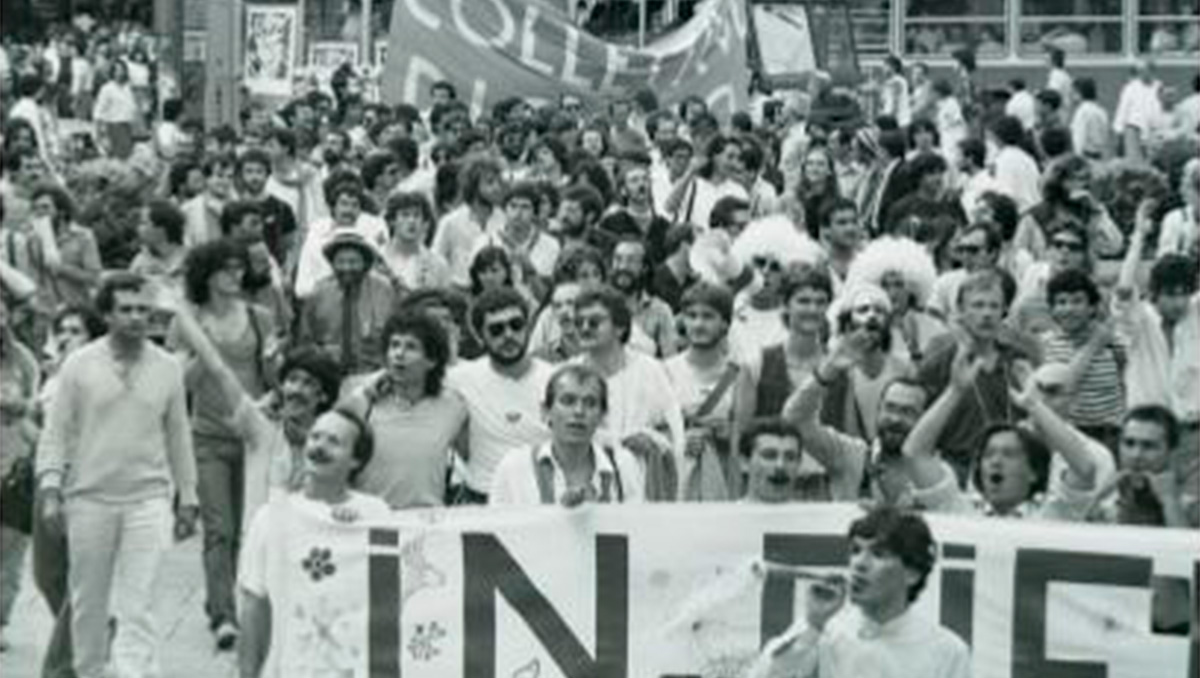
Rise Up: Pride in Protest. Ovvero: sollevarsi – l’orgoglio è ancora protesta. Quest’anno, più che mai, si è sentito il peso del tempo. Non solo quello che passa — e passa, inesorabile — ma quello che ritorna.
Il 2025 somiglia pericolosamente al 1925: venti di guerra e tensioni globali impongono scelte dure e reazionarie. Emblematica la sorte della USNS Harvey Milk — nave intitolata nel 2016 all’attivista, ribattezzata proprio all’inizio del Pride Month. Nel frattempo, alle persone transgender non è più consentito iscriversi alla leva militare: ufficialmente, il governo riconosce solo due generi.
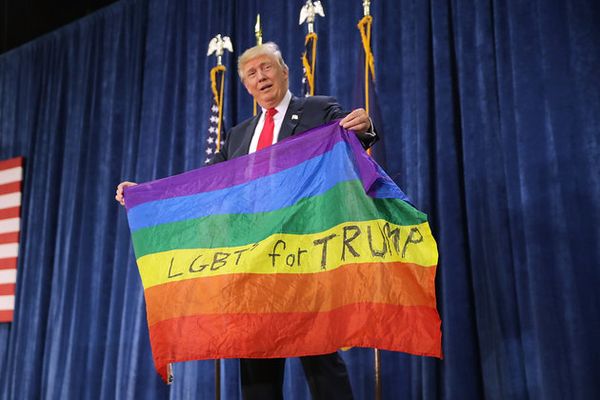
Nessun proclama per il Pride. Nessun gesto simbolico. Nemmeno un tweet. La portavoce Karoline Leavitt lo ha annunciato con tono pragmatico: nessuna celebrazione ufficiale quest’anno. Anche il Kennedy Center ha seguito la linea: eventi LGBTQIA+ cancellati, sipario calato. Non un errore di programmazione, ma una scelta politica consapevole. E oggi, la politica — un po’ ovunque — somiglia più a un padre autoritario che a una madre accogliente.

Quest’anno niente carri sponsorizzati da shampoo “inclusivi”. Nessun influencer in costume arcobaleno da 4.000 dollari. Molti collettivi radicali — come Trans Formative Schools o la Reclaim Pride Coalition — hanno marciato senza lustrini, ma con la schiena dritta. Anche Times Square, solitamente isterica di luci, era insolitamente sobria. Non era un difetto. Era un segnale.
I musei hanno risposto con forza:
– Il Leslie-Lohman Museum ha presentato Resisterhood, mostra dedicata alla resilienza delle identità transfemministe e indigene.
– Il Whitney ha proposto spettacoli burlesque, talk sul trauma e installazioni più simili a sedute collettive di terapia che a semplici mostre.
E poi, la Queer Liberation March: nessun carro. Nessuno sponsor. Solo persone che marciano. Davvero.
Perché non c’è vera civiltà senza il riconoscimento dell’altro. E non c’è progresso — per nessuna nazione — se non impariamo a essere, prima ancora che ad avere. Essere umani, prima che consumatori. Essere liberi, prima che ricchi. Essere veri, prima che vincenti.
IL MIO PRIMO PRIDE A NYC
Il mio Pride è iniziato in sordina, come certe rivoluzioni silenziose: un salotto nell’Upper West Side, bicchieri di gin tonic ghiacciati, e la voce fuori campo di Lady Gaga che scivolava da un altoparlante bluetooth. Un dopopranzo tra amici. Quelli che, anche se non li conosci da sempre, condividono con te lo stesso sfondo generazionale. E ora anche questo: il nuovo, sottile terrore di dover tornare indietro. Poi è arrivata la parata.
Caldo asfissiante, folla incandescente, tamburi che ti rimbombano nello stomaco. Lo ammetto: sono stato più spettatore che protagonista. L’ho seguita all’ombra dei grattacieli, e ogni tanto da dentro qualche bar, in cerca di refrigerio. Più tardi, un party nel cuore di Central Park — senza far troppo tardi. Il giorno dopo era lunedì.
Letta così, potrebbe sembrare una domenica perfetta. Ma sarebbe una bugia gentile. Questo Pride è stato tutt’altro che una celebrazione pacifica.
È stato, piuttosto, una risposta urgente a un mondo che ci sta sfuggendo di mano. Mentre una parte della città ballava, un uomo a torso nudo spruzzava spray al peperoncino — o forse anti-orso — nella folla. Panico. Feriti, alcuni gravi. E domenica sera, due adolescenti sono state colpite da proiettili davanti allo Stonewall Inn. Come se la storia avesse deciso di tornare sui suoi passi. Là dove tutto è cominciato. Le vittime, anche se una è molto grave, sono sopravvissute. Giovani, queer, indifese.
“Rise Up: Pride in Protest” era il tema ufficiale della marcia. E Dio solo sa quanto ne avevamo bisogno. Più che una parata, mi è sembrata una processione laica. Più che una festa, una veglia accesa sotto i fari stanchi della democrazia americana.
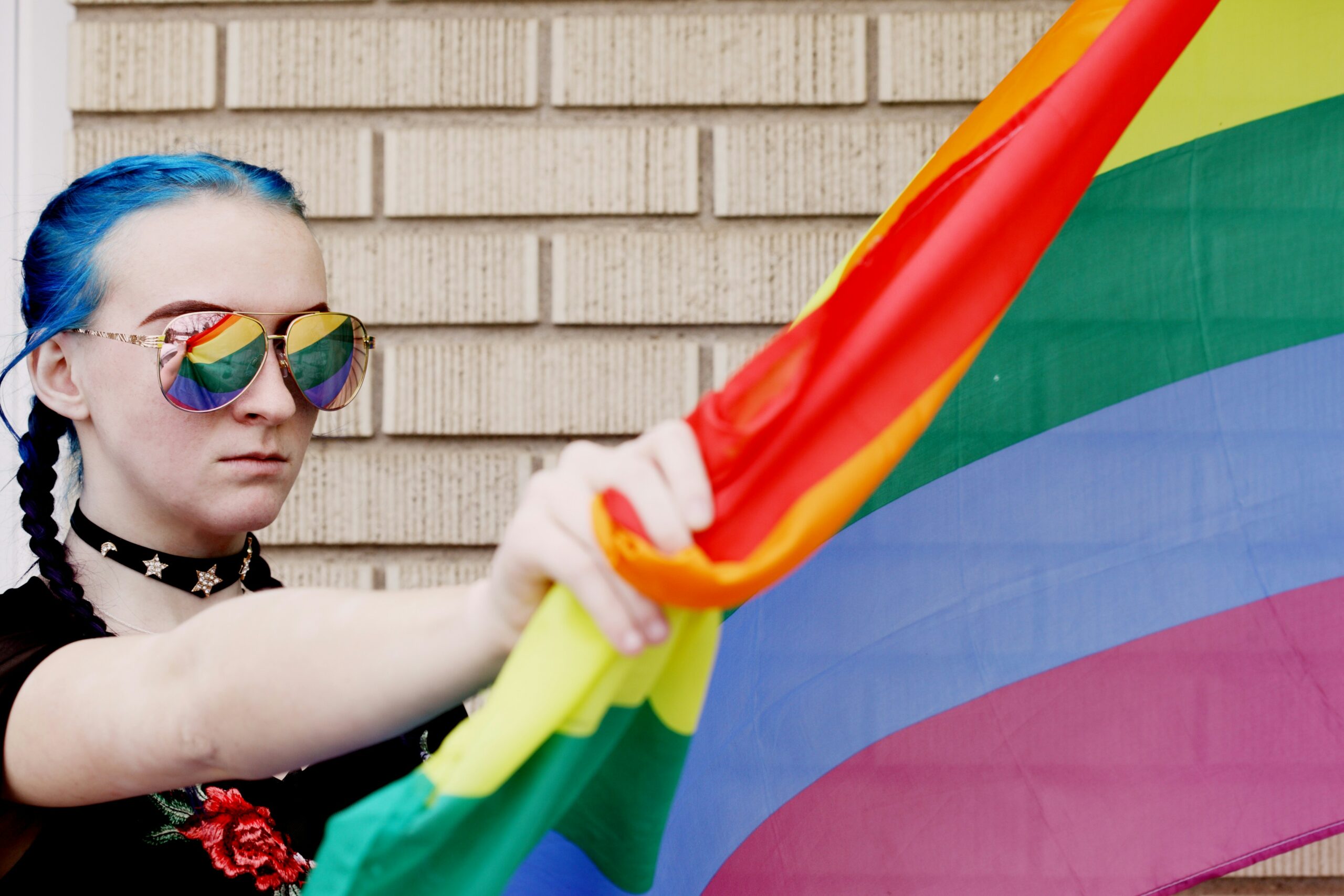
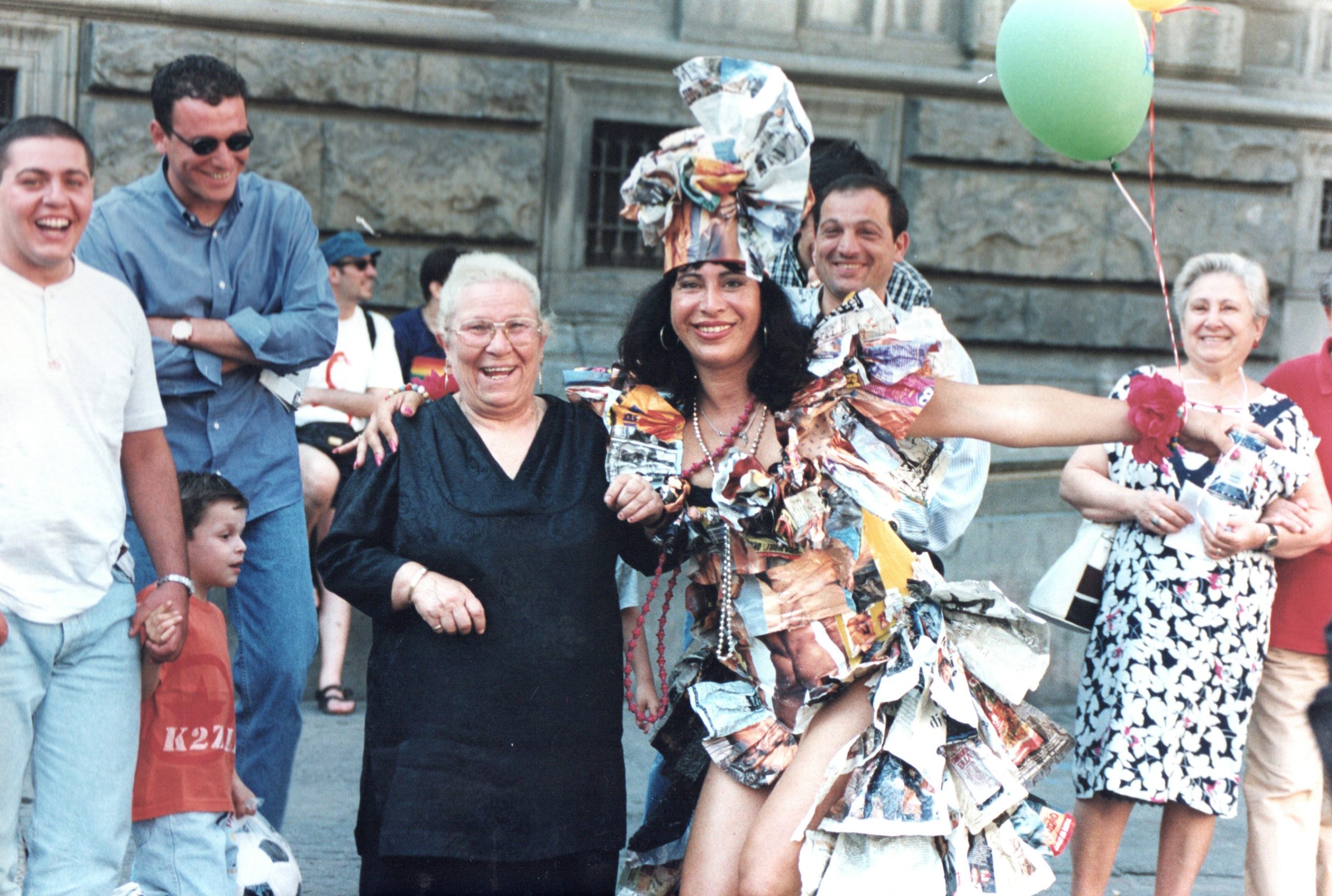
Camminare lungo la Fifth Avenue — tra drag queen su trampoli, mamme con cartelli “I love my queer kids”, bandiere che sventolano come ferite orgogliose — è stato come tenere viva una candela in mezzo al vento.
Karine Jean-Pierre, ex portavoce della Casa Bianca sotto Biden, e prima donna nera, immigrata e apertamente LGBTQIA+ a ricoprire quel ruolo, era Grand Marshal della marcia. Ha detto:
“Cammino oggi per chi non può ancora farlo.”
E dietro di lei, centinaia di migliaia di persone. Ognuno era protesta. Ognuno era preghiera.
Da ragazzo pensavo che l’attivismo fosse una corsa a ostacoli. Poi ho capito che è una danza: avanti, indietro, a volte in cerchio. A volte da soli. E a volte — come quest’anno — con quasi tutta la città che balla con te. Anche se con il cuore a pezzi. Anche se con una crescente sfiducia nel futuro.
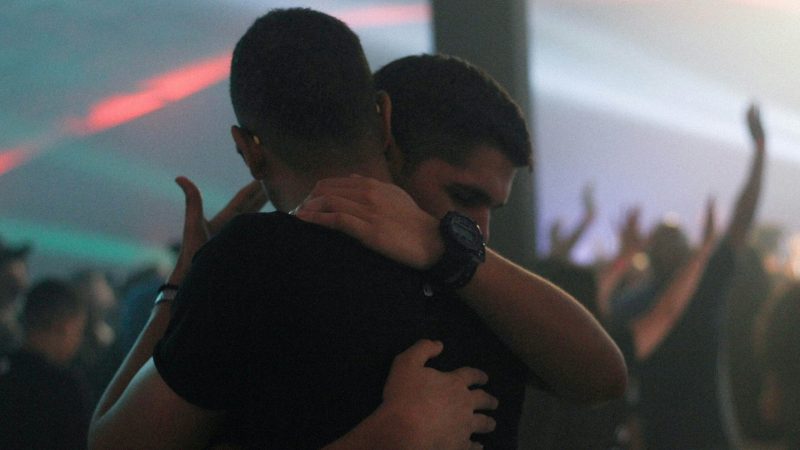
Ogni volta che vedo quei ragazzi giovanissimi — quelli che sfilano con lo smalto ancora fresco e la paura nascosta sotto la bandiera rainbow — sento che non riesco a proteggerli abbastanza. Che non bastiamo. Ma poi ne vedo uno alzare il pugno. Una ragazza trans che sorride anche se piange. Un abbraccio tra sconosciuti. E penso: forse, ancora per un po’, ce la facciamo.
Il Pride 2025 — il mio primo qui a New York — non è stato il più bello. Ma è stato, senza dubbio, il più necessario. Meno logo, più lotta. Meno testimonial, più testimonianza. Meno luci, più occhi aperti. Perché essere visibili è inutile, se non siamo anche liberi. E perché sì, l’amore è amore — Ma è anche rabbia. Corpo. Linguaggio. È resistenza. È stile. E se a qualcuno ancora non è chiaro: il PRIDE non è un party. È una promessa.
***
ENG.VERSION
WHAT HAPPENED DURING PRIDE MONTH HERE IN NYC
“Rise Up: Pride in Protest.” This year, more than ever, the weight of time was felt. Not just time as it passes — and it does, relentlessly — but time as it returns.
2025 feels eerily close to 1925: the winds of war and global tensions are pushing harsh, reactionary choices. One symbolic example: the USNS Harvey Milk — a Navy ship named after the activist in 2016 — was renamed right at the start of Pride Month. Meanwhile, transgender people are no longer allowed to register for the draft. The government now officially recognizes only two genders. There were no Pride proclamations. No symbolic gestures. Not even a tweet. Press Secretary Karoline Leavitt announced it with pragmatic detachment: no official Pride celebration this year.
The Kennedy Center followed suit: LGBTQIA+ events canceled, curtains down. Not a scheduling oversight — a deliberate political statement. And politics, these days, almost everywhere, feels less like a nurturing mother and more like an authoritarian father.
No parade floats sponsored by “inclusive” shampoo brands this year. No influencers in $4,000 rainbow swimsuits. Many radical collectives — like Trans Formative Schools and the Reclaim Pride Coalition — marched without glitter, but with their heads held high. Even Times Square, usually fluorescent to the point of frenzy, appeared unusually subdued. It wasn’t a flaw. It was a message.
Museums responded powerfully:
– The Leslie-Lohman Museum hosted Resisterhood, an exhibition on the resilience of transfeminist and Indigenous identities.
– The Whitney offered burlesque shows, trauma talks, and exhibits that felt more like collective therapy sessions than traditional art shows.
And then came the Queer Liberation March: no floats. No sponsors. Just people marching. Truly. Because there can be no real civilization without acknowledging the other. And there can be no progress — in any nation — until we learn to be, before we learn to have. Be human, before being consumers. Be free, before being wealthy. Be real, before being successful.
MY FIRST PRIDE IN NYC
My Pride began quietly, like certain silent revolutions: a living room in the Upper West Side, frosted gin and tonics, and Lady Gaga’s voice floating from a Bluetooth speaker. An afternoon among friends — the kind who, even if you haven’t known them forever, share your generational backdrop. And now also this: the subtle, creeping fear of going backward. Then the parade arrived. Suffocating heat. A blazing crowd. Drums thundering in your chest.
I’ll admit it: I was more a spectator than a participant. I followed from the shadows of the skyscrapers, occasionally ducking into bars for a moment of cool air. Later, a party in the heart of Central Park — but not too late, since Monday was right around the corner.
Read like this, it might sound like a perfect Sunday. But that would be a kind lie. This Pride was anything but a peaceful celebration. It felt more like an urgent response to a world slipping through our fingers. While one part of the city danced, a shirtless man sprayed pepper spray — or maybe bear spray — into the crowd. Panic. Injuries, some serious.
Then on sunday night, two teenage girls were shot outside the Stonewall Inn. As if history itself had chosen to retrace its steps — back to where it all began. The victims, though one was critically wounded, survived. Young. Queer. Vulnerable.
“Rise Up: Pride in Protest” was this year’s official theme. And God knows how badly we needed it. It felt less like a parade, and more like a secular procession. Less like a party, and more like a vigil under the flickering lights of a weary American democracy.
Walking down Fifth Avenue — past stilt-walking drag queens, moms holding signs that read “I love my queer kids”, flags waving like proud wounds — felt like trying to keep a candle lit in the wind.
Karine Jean-Pierre, former White House Press Secretary under Biden, and the first Black, immigrant, openly LGBTQ+ person to hold that role, was this year’s Grand Marshal. She said:
“I march today for those who still can’t.”
And behind her, hundreds of thousands. Each person a protest. Each person a prayer.
As a kid, I thought activism was a hurdle race. Then I realized it’s a dance: forward, backward, sometimes in circles. Sometimes alone. And sometimes — like this year — with nearly the whole city dancing with you. Even with broken hearts. Even amid growing distrust in the future.
Every time I see those very young kids — marching with fresh nail polish and fear tucked under rainbow flags — I feel like I can’t protect them enough.
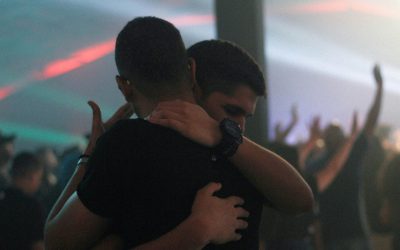
Like we’re not enough. But then I see one raise a fist. A trans girl smiling through tears. A hug between strangers. And I think: maybe, for a little while longer, we’ll make it.
Pride 2025 — my first in New York — wasn’t the most joyful. But without a doubt, it was the most necessary. Less branding, more battle. Less celebrity, more testimony. Fewer lights, more open eyes. Because being visible means nothing if we’re not also free. And yes, love is love — But it’s also rage. Body. Language. It’s resistance. It’s style. And if that still isn’t clear to some: PRIDE isn’t a party. It’s a promise.