
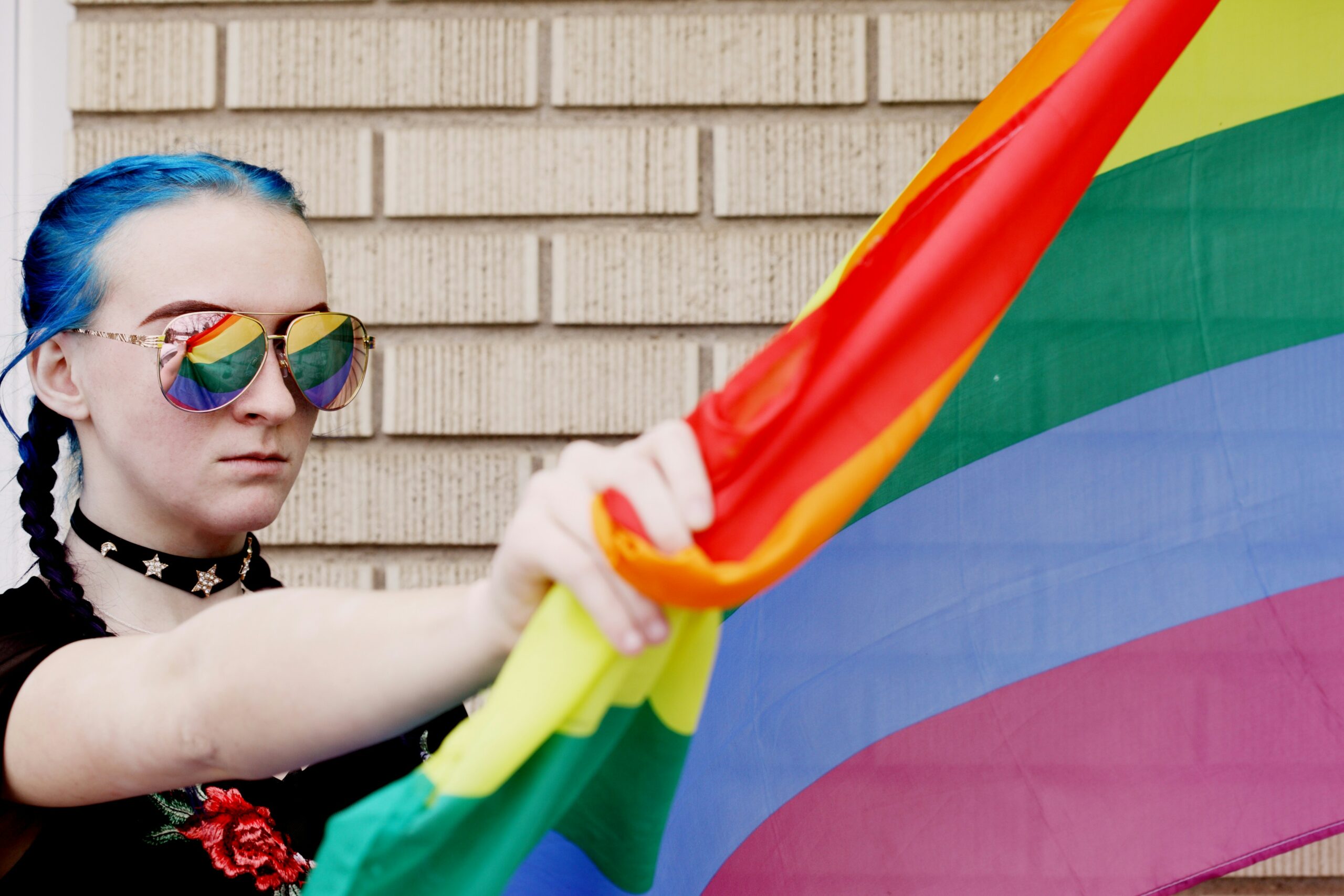
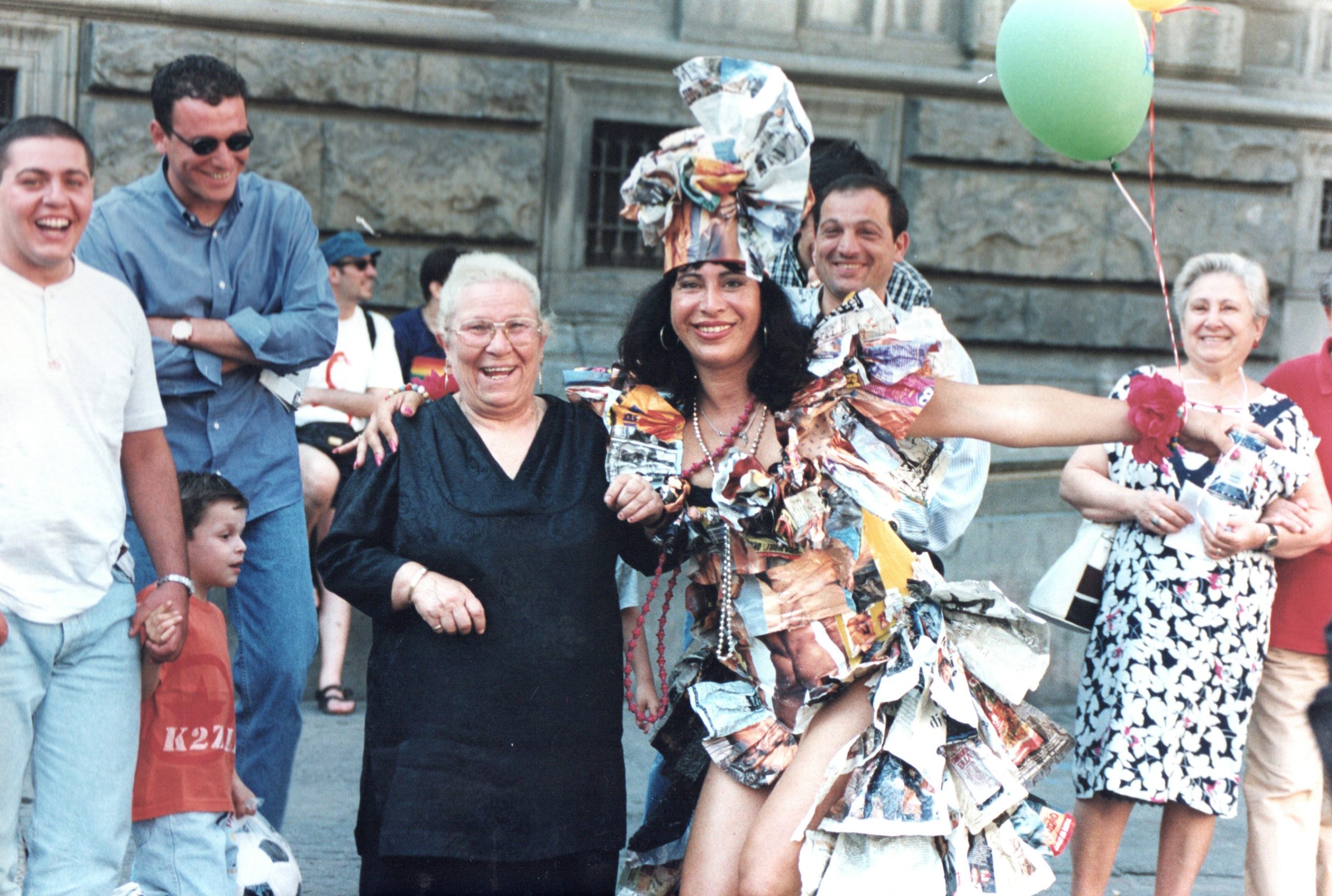
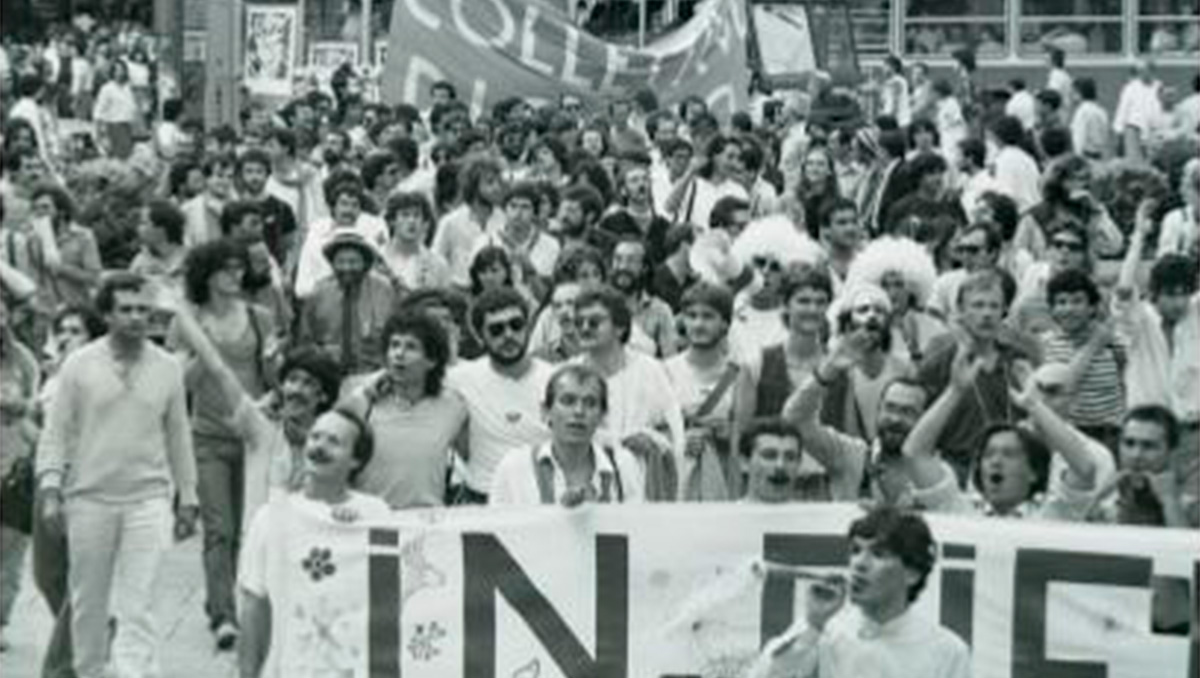
L’anno scorso avevo scritto che il Pride stava tornando a essere una protesta. Non una festa. Non un festival sponsorizzato da banche, shampoo inclusivi e multinazionali improvvisamente innamorate della diversità per trenta giorni all’anno. Una protesta.
Ricordo perfettamente la sensazione che si respirava a New York. Era il mio primo Pride americano. Ero arrivato da pochi mesi e mi aspettavo una celebrazione. Trovai invece qualcosa di diverso. Più serio. Più inquieto. Più politico. Come se la città avesse improvvisamente capito che alcuni diritti, dati per acquisiti da una generazione intera, fossero tornati a essere discutibili.
A distanza di un anno, quella sensazione non sembra più una percezione personale. Sembra una diagnosi. I numeri raccontano una storia difficile da ignorare. L’accettazione delle relazioni omosessuali diminuisce. Il sostegno al matrimonio egualitario diminuisce. L’accettazione delle persone transgender diminuisce. E il fenomeno è particolarmente evidente tra gli elettori repubblicani. In altre parole: mentre una parte dell’America LGBT si convince che la battaglia sia stata vinta, una parte dell’America conservatrice sembra convincersi del contrario. Ed è qui che entra in scena la figura più interessante di questo Pride 2026. Il gay di destra.
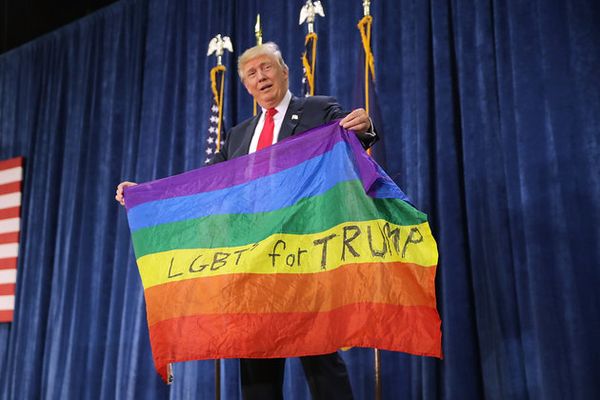
Lo conosco bene. Perché esiste in America. Ma esiste anche in Italia. Anzi. In Italia è quasi una figura archetipica. L’uomo che vota per partiti che non hanno mai sostenuto realmente il matrimonio egualitario. Che continuano a opporsi all’adozione piena. Che parlano di famiglia tradizionale come se la sua esistenza dipendesse dall’orientamento sessuale dei vicini. Eppure lui è lì. Vota. Difende. Giustifica. Razionalizza. Non è necessariamente una persona cinica. Spesso è esattamente il contrario. Vuole soltanto essere considerato normale. Ed è qui che la storia si fa interessante. Perché la normalità è probabilmente una delle droghe più potenti mai inventate. La normalità promette una cosa molto semplice. Se ti comporti bene. Se non fai troppo rumore. Se non chiedi troppo. Se non metti in discussione certi equilibri. Potrai restare. Potrai essere uno dei nostri. Potrai sederti al tavolo.
Il problema è che il tavolo non è tuo. E nemmeno la casa. E nemmeno le regole.
Da italiano trasferito a New York, c’è una domanda che continua a perseguitarmi. Se oggi due uomini possono sposarsi. Se possono adottare. Se possono vivere apertamente la propria vita. Chi ha combattuto quelle battaglie? Chi ha perso il lavoro? Chi è stato insultato? Chi è stato arrestato?
Chi è morto di AIDS mentre il resto del mondo preferiva voltarsi dall’altra parte? La risposta è scomoda. Perché la risposta non è la destra. Le libertà di cui godono oggi molti gay conservatori sono state conquistate quasi interamente da persone che loro, molto spesso, non votano. Attivisti. Progressisti. Sindacalisti. Liberali. Femministe. Persone LGBT.
E una enorme quantità di eterosessuali che decisero di combattere una battaglia che non apparteneva direttamente a loro. In un certo senso, i gay conservatori vivono oggi all’interno di una casa costruita dalla sinistra. Possono non apprezzare l’arredamento. Possono criticarne l’estetica. Possono lamentarsi della musica. Ma le fondamenta restano quelle. Ed è qui che nasce la domanda che raramente viene posta. Che cosa chiedono oggi i gay di destra? Davvero. Qual è la loro battaglia politica nel 2026? Quale diritto vogliono conquistare? Quale minoranza vogliono proteggere? Quale discriminazione vogliono combattere? Perché il Pride non è nato per celebrare il diritto a essere lasciati in pace. È nato per chiedere protezione per chi non veniva lasciato in pace. E qui arriviamo al nodo centrale del nostro tempo. Le persone transgender.
Per una parte crescente della destra occidentale, la questione trans è diventata il nuovo confine culturale. Il nuovo bersaglio. Il nuovo argomento identitario. Il nuovo terreno sul quale dimostrare fermezza. Per gran parte della sinistra, invece, il punto di partenza è molto meno ideologico. Le persone transgender esistono. Esistevano prima di TikTok. Prima dei social. Prima delle guerre culturali. Esistono come esistono i professori universitari. I medici. Gli imprenditori. Gli scrittori. I vicini di casa.
Le persone trans non rappresentano una teoria. Rappresentano persone. E qui emerge una domanda che i gay conservatori dovrebbero forse rivolgere prima di tutto a se stessi. Se il partito che voti considera altre persone LGBT un problema. Se l’accettazione degli omosessuali diminuisce proprio all’interno del tuo elettorato. Se alcuni diritti che consideravi consolidati tornano periodicamente a essere messi in discussione. Quanto sei davvero accettato? E soprattutto: cosa accadrà quando la conversazione smetterà di riguardare qualcun altro? Perché la storia insegna che la tolleranza raramente si ferma dove promette di fermarsi. La stessa America che oggi discute delle persone transgender è la stessa America che pochi decenni fa discuteva se gli omosessuali potessero insegnare nelle scuole. La stessa America che oggi si definisce pragmatica era convinta che Harvey Milk fosse pericoloso. La stessa America che oggi parla di proteggere i bambini riteneva scandaloso che due uomini potessero crescerne uno. Le categorie cambiano. Il meccanismo resta sorprendentemente identico.
Forse è per questo che il tema del Pride di quest’anno – “For All of Us” – mi sembra molto meno innocente di quanto appaia. Per tutti noi. Non per alcuni di noi. Non per quelli più presentabili.
Non per quelli che votano correttamente. Non per quelli che risultano più rassicuranti. Per tutti.
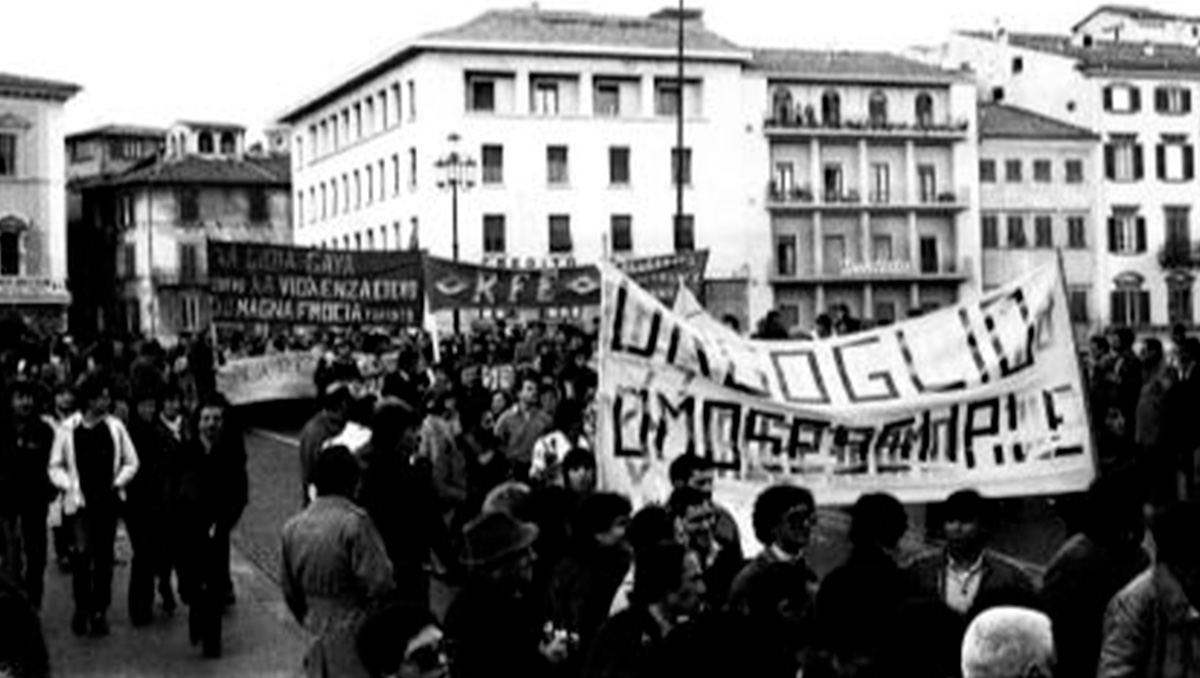
È uno slogan che contiene una verità profondamente progressista. La libertà non è una proprietà privata. Non può essere accumulata. Non può essere difesa soltanto per sé stessi. Non può essere negata agli altri senza indebolire anche la propria. Ed è forse qui che il Pride incontra il suo significato più autentico. Non nella celebrazione. Non nella festa. Non nei carri. Ma nella memoria. La memoria di chi ha combattuto per persone che non conosceva. La memoria di chi ha difeso diritti che non avrebbe mai utilizzato personalmente. La memoria di chi ha capito che la libertà funziona soltanto quando siamo disposti a condividerla.
Questo sarà, come ho detto, il mio secondo Pride a New York. Probabilmente meno ingenuo del primo. Perché oggi vedo più chiaramente la tensione che attraversa questa città e questo Paese.
Da una parte chi considera i diritti civili una conquista definitiva. Dall’altra chi li considera una concessione reversibile. In mezzo, milioni di persone che cercano semplicemente di vivere la propria vita. E forse la domanda che aleggerà sulle strade di Manhattan quest’anno non sarà se l’orgoglio sia ancora necessario. La domanda sarà un’altra. Quando la storia bussa di nuovo alla porta, amico gay di destra, da che parte del corteo scegli di camminare?
—

ENG. VERSION
My Second Pride in New York… and the issue of conservative gays
Last year, I wrote that Pride was becoming a protest again. (link)
Not a celebration.
Not a festival sponsored by banks, inclusive shampoos, and multinational corporations suddenly falling in love with diversity for thirty days a year.
A protest.
I remember exactly how New York felt.
It was my first American Pride.
I had only been here a few months, and I expected a celebration.
Instead, I found something else.
More serious.
More restless.
More political.
As if the city had suddenly realized that certain rights—rights an entire generation had taken for granted—had become debatable again.
A year later, that feeling no longer seems like a personal impression.
It feels like a diagnosis.
The numbers tell a story that is difficult to ignore.
Acceptance of same-sex relationships is declining.
Support for marriage equality is declining.
Acceptance of transgender people is declining.
And the trend is particularly pronounced among Republican voters.
In other words, while part of LGBT America has convinced itself that the battle has been won, part of conservative America appears increasingly convinced that it has not.
And that brings us to the most fascinating figure of Pride 2026.
The conservative gay man.
I know him well.
Because he exists in America.
But he exists in Italy, too.
In fact, in Italy he is almost an archetype.
The man who votes for parties that never truly supported marriage equality.
That continue to oppose full adoption rights.
That speak of the traditional family as if its survival somehow depended on the sexual orientation of the people next door.
And yet there he is.
Voting.
Defending.
Explaining.
Rationalizing.
He is not necessarily cynical.
More often than not, he is exactly the opposite.
He simply wants to be considered normal.
And this is where the story becomes interesting.
Because normality may be one of the most powerful drugs ever invented.
Normality offers a simple promise.
Behave yourself.
Don’t make too much noise.
Don’t ask for too much.
Don’t challenge the established order.
And you can stay.
You can be one of us.
You can sit at the table.
The problem is that the table isn’t yours.
Neither is the house.
Neither are the rules.
As an Italian who moved to New York, there is one question that continues to haunt me.
If two men can marry today.
If they can adopt.
If they can live openly and honestly.
Who fought those battles?
Who lost their jobs?
Who was insulted?
Who was arrested?
Who died of AIDS while much of society looked the other way?
The answer is uncomfortable.
Because the answer is not the political right.
The freedoms enjoyed today by many conservative gay men were won almost entirely by people they often do not vote for.
Activists.
Progressives.
Trade unionists.
Liberals.
Feminists.
LGBT people.
And an enormous number of straight allies who chose to fight a battle that was not directly their own.
In a sense, many conservative gay men today live inside a house built by the left.
They may dislike the furniture.
They may criticize the décor.
They may complain about the music.
But the foundations remain the same.
And that is where a rarely asked question emerges.
What exactly do conservative gay men want today?
Really.
What is their political struggle in 2026?
What right are they trying to secure?
What minority are they trying to protect?
What discrimination are they trying to fight?
Because Pride was not born to celebrate the right to be left alone.
It was born to demand protection for people who were not being left alone.
And this brings us to the defining fault line of our time.
Transgender people.
For a growing segment of the Western right, the trans question has become the new cultural frontier.
The new target.
The new identity issue.
The new terrain on which political toughness is performed.
For much of the left, however, the starting point is far less ideological.
Transgender people exist.
They existed before TikTok.
Before social media.
Before culture wars.
They exist in the same way professors exist.
Doctors exist.
Entrepreneurs exist.
Writers exist.
Neighbors exist.
Trans people are not a theory.
They are people.
And here another question emerges—one that conservative gay men might consider asking themselves before asking anyone else.
If the party you support increasingly sees other LGBT people as a problem;
If acceptance of gay people is declining within your own political coalition;
If rights once considered settled periodically return to the political chopping block;
How accepted are you, really?
And perhaps more importantly:
What happens when the conversation stops being about someone else?
History teaches a remarkably consistent lesson.
Tolerance rarely stops exactly where it promises it will stop.
The same America debating transgender rights today is the America that, only a few decades ago, debated whether gay people should be allowed to teach in schools.
The same America that now calls itself pragmatic once believed that Harvey Milk was dangerous.
The same America that speaks of protecting children once found the idea of two men raising one scandalous.
The categories change.
The mechanism remains surprisingly familiar.
Perhaps that is why this year’s Pride theme—”For All of Us”—feels far less innocent than it appears.
For all of us.
Not for some of us.
Not for the more presentable among us.
Not for those who vote the right way.
Not for those who make others feel comfortable.
For all of us.
It is a slogan built on a deeply progressive truth.
Freedom is not private property.
It cannot be accumulated.
It cannot be defended only for oneself.
It cannot be denied to others without weakening one’s own claim to it.
And perhaps this is where Pride finds its most authentic meaning.
Not in celebration.
Not in the party.
Not in the floats.
But in memory.
The memory of those who fought for people they had never met.
The memory of those who defended rights they would never personally use.
The memory of those who understood that freedom only works when we are willing to share it.
This will be my second Pride in New York.
Probably less naive than the first.
Because today I see more clearly the tension running through this city—and this country.
On one side are those who view civil rights as permanent achievements.
On the other are those who view them as reversible concessions.
And in between are millions of people simply trying to live their lives.
Perhaps the question hanging over Manhattan this year will not be whether Pride is still necessary.
The question will be something else.
When history comes knocking once again, my conservative gay friend, which side of the march will you choose to walk on?