(Nasce dall’emarginazione più triste per diventare gioia di vivere condivisa)

Quattro ore di macchina da New York e scopro come sarebbe il mondo se qualcuno avesse finalmente deciso di rimetterlo in ordine: Provincetown. Un paesino del Massachusetts in cui il novanta per cento degli abitanti è gay e il restante dieci per cento, etero, non ha ancora chiesto lo status di rifugiato politico!
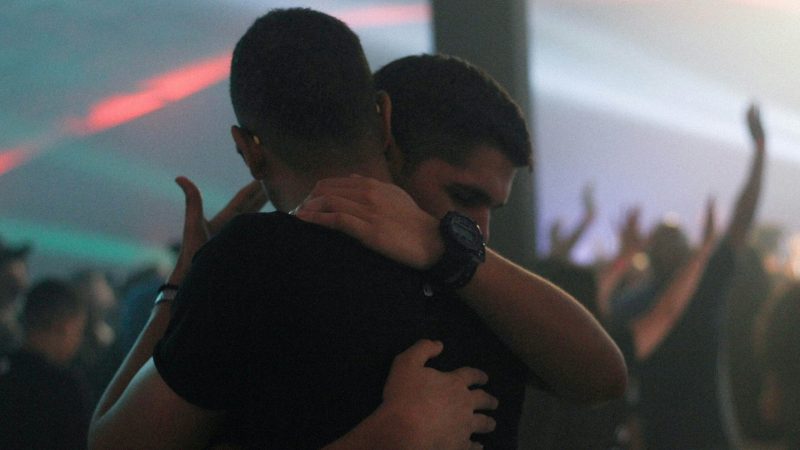
Fin dall’inizio del ‘900, Provincetown è stata una meta per tutte quelle persone (provenienti specialmente da Boston e NY ) derise, relegate ai margini, violentemente giudicate, in poche parole le persone queer. Qui trovavano un rifugio dove la vita potesse finalmente sbocciare senza maschere, un luogo dove l’amore non fosse clandestino e l’arte non dovesse chiedere permesso. Provincetown, estrema lingua di terra sospesa tra oceano e cielo, divenne questo: un approdo per i corpi in cerca di libertà e per le anime assetate di bellezza. Qui la comunità queer ha trovato non solo accoglienza, ma terreno fertile per fiorire: pittura, teatro, scrittura, musica — tutto intrecciato a una cultura di resistenza e edonismo. E ancora oggi, passeggiando tra le sue strade, si sente che questa linfa non si è mai interrotta. Qui la cultura gay si esprime in tutte le sue varianti: dal pop più smaccato alla sofisticazione da Upper East Side con PhD in storia dell’arte. Una drag queen ti invita a entrare in un ristorante (e tu entri, perché dire di no a una drag queen è come discutere con un vigile urbano: non se ne esce vivi). I panini all’aragosta sono eccellenti, le gallerie di antiquariato impeccabili — perché sì, i gay hanno gusto, e sarebbe ora di riconoscerlo ufficialmente con un emendamento costituzionale.
Le coppie etero? Serenissime, i bambini che giocano insieme senza badare a chi siano i genitori. Gli uomini etero non si sentono minacciati da uno sguardo gay, nessuno corre a denunciare un attentato alla virilità nazionale. A Provincetown, la mascolinità tossica è già relegata tra i reperti museali, come un’arma arrugginita di un’altra epoca.
Eppure, mentre passeggio tra queste strade ordinate e gentili che odorano di salsedine, mi viene da sorridere pensando a come per molti, il mondo al contrario, sia una frase reazionaria, usata come una clava, un manuale di populismo crudele che esclude chi non appartiene alla propria tribù.
In questo paesino invece, il mondo al contrario è la prova vivente che l’inclusione non distrugge niente: semmai, aggiusta.
Il passato qui è già futuro, e il futuro per tutti noi porta un solo nome: vecchiaia.
Camminando tra le casette di legno perfette come biscotti di pan di zenzero, incontri coppie di anziani che incarnano la resistenza più radicale: tenersi la mano. Vecchie lesbiche vestite come boy scout che si aiutano a salire un gradino; uomini ottantenni con la stessa camicia a fiori che avanzano con passo lento verso un chiosco di ice cream. A vederli, ti commuovi e ti chiedi: quante umiliazioni subite per rendersi e renderci visibili? Quanti Natali passati lontano dalle famiglie, quanti amici persi alla malattia, alla discriminazione, all’indifferenza?
Eppure sono qui. I nostri Pionieri. Non immuni, ma interi. Non eroi da santino, ma persone che hanno amato abbastanza a lungo da arrivare fino a ottant’anni senza rinunciare alle camicie a fiori. La resilienza non è un hashtag: è il modo in cui si intrecciano le loro rughe quando si sorridono.
James Baldwin lo aveva già detto meglio di chiunque: l’amore ci rivela. In tarda età, non è un sentimento diminuito — è una verità senza zucchero. È la mano che ti afferra quando vacilli, è la voce che ti ricorda: “sei stato visto, riconosciuto, amato fino in fondo”. In questo mondo al contrario, due uomini, due ottantenni che si baciano davanti all’oceano non sono scandalo. Sono patrimonio UNESCO (è un’ iperbole, ma qualche considerazione a tal proposito va fatta).
E allora sì, oggi che sto diventando un homme âgé mi è chiaro: il vero miracolo non è essere stati giovani e innamorati… è invecchiare — e restare innamorati.
Il mondo al contrario non è utopia, esiste già. Ha il colore di una giovinezza a tratti sfacciata e sensuale, il profumo di una vecchiaia intensa e condivisa e la voce acuta di una Drag Queen che ti invita ad assaggiare un lobster roll… ed è bellissimo!
In conclusione vi consiglio il libro “Dove la terra finisce” di Michael Cunningham: è la storia di Provincetown, di un rifugio per artisti visionari e outsider—da Tennessee Williams a Mark Rothko—e per Cunningham stesso. Tra diario, racconto e riflessione, “Dove la terra finisce” è un inno delicato al concetto di casa, visto non come luogo di nascita, ma come luogo dell’anima. Lo amerete.
…E una playlist Cafè Mediterraneo, che ha che fare molto con il mare e tutti quei sentimenti che ci suscitano: Spleen, Saudade, Sturm und Drang.
***ENG.VERSION***
Chronicles from Carroll Gardens
The upside-down world exists!
Born out of the saddest kind of marginalization, it becomes shared joy in living
Four hours by car from New York and I discover what the world would look like if someone had finally decided to set it straight: Provincetown. A small town in Massachusetts where ninety percent of the residents are gay and the remaining ten percent of straight folks, still haven’t applied for political refugee status!
Since the early 1900s, Provincetown has been a destination for all those people (especially from Boston and New York) who were mocked, pushed to the margins, harshly judged—in a word, queer. Here they found refuge, a place where life could finally blossom without masks, where love wasn’t forced into hiding, and where art didn’t need permission to exist. Provincetown, a narrow strip of land suspended between ocean and sky, became exactly that: a landing place for bodies in search of freedom and souls thirsty for beauty. Here the queer community found not only acceptance but fertile ground to flourish: painting, theater, writing, music—all woven together in a culture of resistance and joy. And even today, walking through its streets, you can still feel that energy flowing.
Here gay culture expresses itself in every shade: from campy pop excess to Upper East Side sophistication with a PhD in art history. A drag queen waves you into a restaurant (and of course you go—saying no to a drag queen is like arguing with a traffic cop: you won’t come out alive). The lobster rolls are excellent, the antique galleries impeccable—because yes, gay people have taste, and it’s about time that was officially recognized in a constitutional amendment.
And the straight couples? Totally serene. Kids play together without caring who their parents are. Straight men don’t feel threatened by a gay glance, no one rushes off to report an attack on national manhood. In Provincetown, toxic masculinity has already been archived among museum relics, like a rusted weapon from another age.
And yet, as I stroll down these tidy, gentle streets scented with sea salt, I can’t help but smile thinking how, for many, “the upside-down world” is a reactionary phrase—wielded like a club, a handbook of cruel populism that excludes anyone outside their tribe.
But here, in this little town, the upside-down world is living proof that inclusion doesn’t destroy anything: if anything, it fixes things.
The past here is already the future, and the future for all of us has only one name: old age.
Walking among gingerbread houses, you see elderly couples embodying the most radical form of resistance: holding hands. Old lesbians dressed like boy scouts helping each other up a step; eighty-year-old men in the same floral shirt slowly making their way to an ice cream stand. Watching them, you feel a lump in your throat and wonder: how many humiliations did they endure to make themselves—and us—visible? How many Christmases spent away from family, how many friends lost to illness, to discrimination, to indifference?
And yet, they’re here. Our Pioneers. Not immune, but whole. Not saints on a prayer card, but people who loved long enough to make it to eighty without giving up on their floral shirts. Resilience is not a hashtag—it’s the way their wrinkles intertwine when they smile at each other.
James Baldwin already said it better than anyone: love reveals us. In old age, it isn’t a diminished feeling—it’s truth without sugarcoating. It’s the hand that catches you when you stumble, the voice that reminds you: you have been seen, recognized, loved all the way through. In this upside-down world, two men, two eighty-year-olds kissing by the ocean are not a scandal. They’re UNESCO heritage. (Okay, that’s an exaggeration—but worth considering.)
And so yes, now that I’m becoming an homme âgé, it’s clear to me: the real miracle isn’t having been young and in love—it’s growing old and staying in love.
The upside-down world is not utopia, it already exists. It has the color of a youth sometimes bold and sensual, the scent of an old age that is intense and shared, and the sharp voice of a drag queen inviting you to try a lobster roll… and it is beautiful.
In closing, I recommend Michael Cunningham’s book Land’s End. It tells the story of Provincetown, a refuge for visionary artists and outsiders—from Tennessee Williams to Mark Rothko—and for Cunningham himself. Half diary, half tale, half reflection, Land’s End is a delicate hymn to the concept of home, seen not as a birthplace but as a place of the soul. You’ll love it.
…And a Cafè Mediterraneo playlist, which has a lot to do with the sea and all those feelings it arouses in us: Spleen, Saudade, Sturm und Drang.