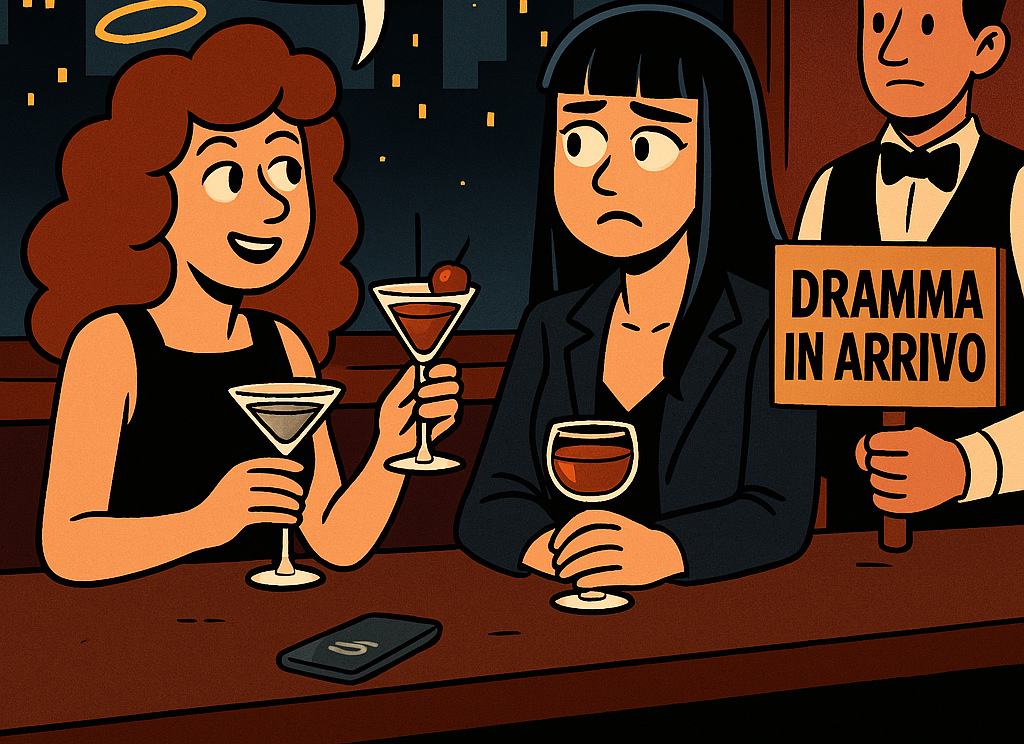
A una festa a Williamsburg, qualche settimana fa, c’erano tutte le cose che ci si aspetta da una festa a Williamsburg: vino naturale, hummus, una playlist vagamente mediorientale, conversazioni sul clima, sugli affitti, sulla politica e risate leggere.
È lì che ho rivisto Rami.
Lo conoscevo di vista da Carroll Gardens. New York produce questo genere di conoscenze incomplete: persone che incontri per mesi davanti allo stesso bar, dal fruttivendolo, sul marciapiede, finché diventano familiari senza diventare davvero conosciute.
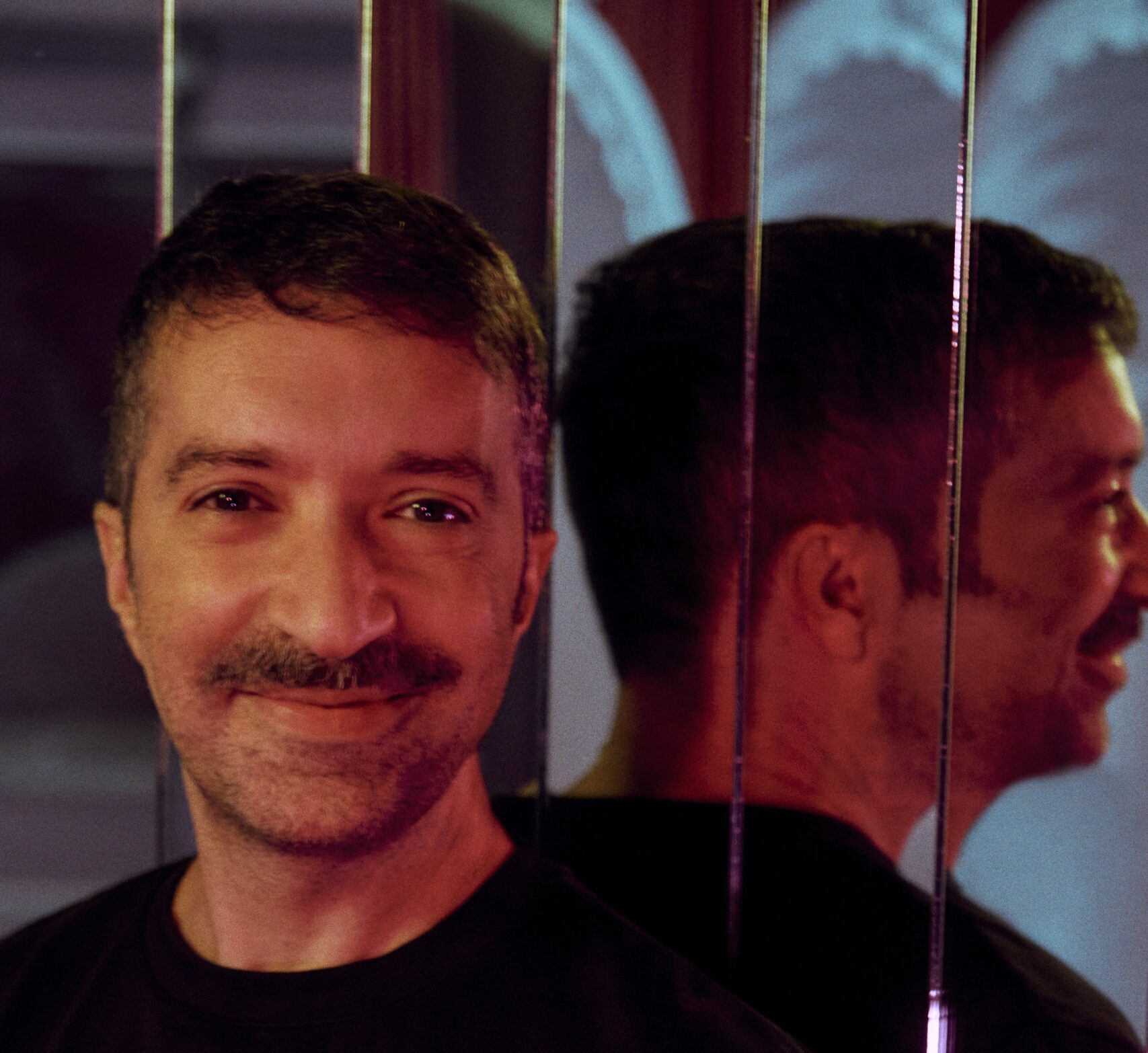
Rami avrà trentacinque anni. Barba scura, occhi sognanti, il modo leggermente incurvato di chi sembra aver imparato a non occupare troppo spazio.
Mi sono avvicinato.
«Ti conosco. Mi chiamo Alessandro.»
Mi ha riconosciuto e ha sorriso.
«Buonasera, amico», ha detto in italiano, con un accento che non riuscivo a collocare.
«Di dove sei?»
«Gaza City.»
«Gaza City?»
Mi ha sorriso.
«Si, sono un rifugiato. E ora sono a una festa gay, e sono gay», facendo una pausa mentre si guardava intorno. «Essere gay è stata la mia fortuna. È così che ho ottenuto lo status di rifugiato»
Lo ha detto ridendo e, per qualche secondo, anch’io ho sorriso. Poi mi sono accorto della stranezza della frase. La cosa dalla quale era dovuto fuggire era anche quella che gli aveva permesso di fuggire. Ha indicato un ragazzo poco distante, con una kefiah legata al collo.
«Qui sono il benvenuto»
Non ho capito subito se stesse scherzando.
«Ne vedo molte, qui a New York», ha continuato. «Qui significa: sono dalla tua parte». Poi si è fermato. «A Gaza, se camminassi per strada tenendo per mano il mio ragazzo, potrebbero usarne una per coprirmi la faccia prima di mettermi dentro un furgone». Ha riso piano. «E poi arrivederci. Magari per sempre».
Rami rideva delicatamente mentre raccontava cose che non facevano ridere. Complice qualche bicchiere di vino e, forse, un po’ di nostalgia. Ho pensato che ridere fosse il suo modo di rendere raccontabili certe cose.

A New York, essere palestinese è diventato un fatto politico prima ancora di essere un fatto biografico. Ma essere gay e palestinese è, evidentemente, qualcosa di più complicato da raccontare. Le due identità non sempre si sommano nello storytelling mainstream.
La paura con cui Rami è cresciuto a Gaza non è immaginaria. Negli anni sono stati documentati arresti arbitrari, abusi e torture da parte dell’apparato di sicurezza di Hamas. L’omosessualità è un fortissimo tabù sociale e religioso e l’accusa di omosessualità o di «condotta immorale» viene utilizzata anche come strumento di pressione politica o per regolare conti interni. Per questo motivo, molti palestinesi omosessuali, nel corso degli anni, hanno cercato di fuggire clandestinamente verso contesti più sicuri.
A Gaza non è mai esistita una comunità gay pubblicamente visibile. Nessun locale, nessun Pride, nessun centro con una bandiera alla porta. I rapporti sessuali tra uomini sono ancora formalmente criminalizzati da una legge risalente al Mandato britannico. Rapporti sui diritti umani hanno descritto persone LGBTQ molestate, abusate fisicamente e detenute a causa del loro orientamento sessuale o della loro identità di genere.
Rami mi parlava della frustrazione di vivere in un Paese che non ti vuole, di quella cauta paura di relazionarsi agli altri e di conoscere persone nuove.
«Si pensa che il problema principale sia la polizia», mi ha detto.
«E invece?»
«La polizia almeno sai chi è». Ha sorriso. «Il problema è che non sai chi parlerà». Un vicino. Un collega. Un cugino. Tuo fratello. Un padre che guarda il telefono del figlio.
In una società dove l’omosessualità è un crimine ed è spesso vissuta come la vergogna di un’intera famiglia, l’outing diventa il rischio calcolato che accompagna costantemente la tua esistenza.
«Non ti puoi fidare di nessuno?» gli ho chiesto.
Rami ha alzato le spalle. «Ti fidi. Ma devi sapere quanto. E quanto rischi».
Ho pensato che la parola rifugiato abbia qualcosa di ingannevolmente amministrativo. Fa pensare a documenti, uffici, permessi, status. Dice dove una persona è riuscita ad arrivare. Dice molto meno di ciò che ha lasciato indietro.
Qualcuno ci è passato accanto cercando un apribottiglie. Dalla cucina è arrivata una risata, poi il rumore di un bicchiere caduto a terra.
Esiste, e resiste coraggiosamente, un movimento queer palestinese. alQaws, nato a Gerusalemme all’inizio degli anni Duemila, sostiene le persone LGBTQ palestinesi e combatte l’omofobia all’interno della società palestinese. Allo stesso tempo è fortemente critico nei confronti di Israele e del pinkwashing: l’uso dei diritti LGBTQ israeliani per trasformare il conflitto in una contrapposizione morale tra una società progressista e una arretrata. Nel 2019 è stata la polizia dell’Autorità Palestinese, in Cisgiordania, ad annunciare il divieto delle attività dell’organizzazione, arrivando a invitare i cittadini a segnalare attività considerate «sospette». A Gaza, sotto Hamas, la situazione è, se possibile, anche peggiore.
Mentre Rami mi parlava, mi è venuta in mente la storia di Mahmoud Ishtiwi.
Ishtiwi non era un oppositore di Hamas. Era uno dei suoi uomini: un comandante delle Brigate al-Qassam. Nel gennaio del 2015 è stato arrestato dai suoi stessi compagni. È rimasto detenuto per più di un anno. Ishtiwi ha professato la sua innocenza fino all’ultimo e la sua stessa famiglia ha denunciato pubblicamente che le confessioni erano state estorte con la forza. Il 7 febbraio del 2016 Hamas ha annunciato di averlo giustiziato. Tre colpi al petto. Aveva trentaquattro anni.
Le accuse erano cambiate durante la detenzione: collaborazione con Israele, appropriazione di denaro, «violazioni morali». Secondo la famiglia, le prime due erano state successivamente ritirate. È rimasta quella formula. Violazioni comportamentali e morali. L’accusa principale riguardava l’aver intrattenuto relazioni con persone dello stesso sesso, spesso indicate nei documenti come «sodomia», una condotta severamente proibita e criminalizzata.
Quando ne ho parlato a Rami, non è sembrato sorpreso.
«Sì», ha detto soltanto.
A qualche metro da noi, vicino alla cucina, due uomini si sono baciati.
Rami li ha guardati per un istante.
«Questa è la cosa bella di New York», ha detto. Qui può fare cose banali. Tenere la mano di un uomo. Avere una sua fotografia sul telefono. Entrare in un bar gay. Baciarlo per strada. Sono libertà così comuni che abbiamo quasi smesso di chiamarle libertà.
Per Rami, però, la libertà ha un prezzo piuttosto concreto: la distanza. New York gli ha dato la possibilità di essere l’uomo che è. Ma non può restituirgli automaticamente le persone che ha lasciato.
«Pensavo che qui sarebbe stato facile parlare di me», mi ha detto.
«Non lo è?»
«Dipende da cosa dico».
Mi ha spiegato che, quando racconta di essere palestinese, le persone vogliono ascoltarlo. Quando dice di essere gay, anche.
Poi ha fatto una pausa.
«Il problema viene quando racconto le due cose insieme».
Sì, ora mi era chiaro cosa Rami intendesse.
Se Rami racconta la paura di Hamas, qualcuno teme che stia fornendo un argomento a Israele. Se racconta la distruzione di Gaza, la sua omosessualità diventa improvvisamente secondaria. C’è sempre una parte della sua storia che sarebbe più conveniente lasciare fuori.
Compare ancora una parola: pinkwashing. La preoccupazione ha un fondamento. La persecuzione degli omosessuali nei territori palestinesi è stata utilizzata politicamente, quasi che una società omofoba meritasse per questo meno diritti, meno sicurezza, meno compassione. Ma la reazione opposta produce un paradosso. Se ogni volta che un palestinese gay racconta ciò che ha vissuto qualcuno gli ricorda come la sua storia potrebbe essere utilizzata, per proteggerlo dalla strumentalizzazione gli si chiede di diventare invisibile. Di nuovo.
Afeef Nessouli, giornalista queer palestinese-americano che vive a New York, ha raccontato le vite di persone LGBTQ a Gaza: uomini gay, persone intersex, donne trans costrette a vivere la propria identità in segreto mentre cercavano contemporaneamente di sopravvivere alla guerra.
Le loro storie contengono qualcosa che il dibattito politico sembra faticare ad accettare. Una persona può temere Hamas e temere le bombe israeliane. Può amare la Palestina e avere paura di chi ama. Può desiderare che Gaza sia libera e desiderare di essere libera dentro Gaza. Può sentire nostalgia di una casa nella quale non poteva essere se stessa. È forse questa la contraddizione più difficile da raccontare: si può essere costretti a fuggire da un luogo e continuare a chiamarlo casa. Dentro un essere umano, queste cose convivono. È nella narrazione politica che diventano incompatibili.
La festa, intanto, era andata avanti senza di noi. Qualcuno aveva alzato la musica. Le conversazioni erano diventate più rumorose, i bicchieri più vuoti. Quello che un’ora prima sembrava un dibattito sulla politica internazionale aveva lasciato il posto alle normali preoccupazioni di una festa: dove andare dopo, chi stava tornando a Manhattan, chi aveva preso il cappotto sbagliato.
Rami ha guardato il telefono.
«Devo rientrare».
«Certo».
Ha fatto due passi, poi si è voltato.
«Ci vediamo in giro».
Era una frase molto newyorkese. Abbastanza vaga da non essere una promessa, abbastanza affettuosa da sembrarlo.
«Sicuro», ho risposto. Poi ho aggiunto, in italiano: «Buona notte, amico».
Ha sorriso ed è rientrato. Sono rimasto fuori ancora qualche minuto.
Da dietro i vetri arrivavano musica e risate. Williamsburg brillava con quella sicurezza particolare di New York, una città convinta che per quasi ogni identità esista, da qualche parte, un quartiere, un locale, una parola capace di contenerla.
Ho pensato a Rami. Era lontano dalla città in cui era nato, lontano dalla sua lingua quotidiana, lontano da una famiglia della quale quella sera non avevo voluto chiedergli nulla. Forse era questo che non avevo capito all’inizio. Rami non cercava una città che approvasse le sue idee. Non cercava nemmeno qualcuno che risolvesse le contraddizioni della Palestina al posto suo. Voleva qualcosa di molto più ordinario. Essere accettato senza dover scegliere quale parte di sé presentare per prima. A Gaza aveva imparato che certe parti di sé dovevano restare nascoste. A New York poteva finalmente camminare per strada tenendo un uomo per mano. Eppure anche qui aveva scoperto una forma di invisibilità. Più gentile. Più colta. Infinitamente meno pericolosa. Ma invisibilità lo stesso. Rami si è «rifugiato» in una città dove può finalmente essere entrambe le cose. Palestinese e gay. Il problema è trovare qualcuno disposto ad ascoltarle nella stessa frase.
*** ENG. Version***
In the same sentence
At a party in Williamsburg a few weeks ago, there were all the things you expect at a Williamsburg party: natural wine, hummus, a vaguely Middle Eastern playlist, conversations about climate change, rent, politics, and easy laughter.
That’s where I saw Rami again.
I knew him by sight from Carroll Gardens. New York produces this kind of incomplete acquaintance: people you run into for months outside the same bar, at the fruit stand, on the sidewalk, until they become familiar without ever becoming truly known.
Rami is probably thirty-five. Dark beard, dreamy eyes, the slightly hunched posture of someone who seems to have learned not to take up too much space.
I walked over.
“I know you. My name is Alessandro.”
He recognized me and smiled.
“Good evening, my friend,” he said in Italian, with an accent I couldn’t quite place.
“Where are you from?”
“Gaza City.”
“Gaza City?”
He smiled at me.
“Yes, I’m a refugee. And now I’m at a gay party, and I’m gay.”
He paused and looked around.
“Being gay was my good fortune. That’s how I got refugee status.”
He said it laughing, and for a few seconds, I smiled too. Then I realized how strange the sentence was.
The thing he had been forced to flee was also the thing that had allowed him to escape.
He pointed to a guy standing a short distance away, a keffiyeh tied around his neck.
“Here, I’m welcome.”
At first, I wasn’t sure whether he was joking.
“I see a lot of them here in New York,” he continued. “Here it means: I’m on your side.”
Then he stopped.
“In Gaza, if I walked down the street holding my boyfriend’s hand, they might use one of those to cover my face before putting me in a van.”
He laughed softly.
“And then goodbye. Maybe forever.”
Rami laughed gently as he told stories that weren’t funny. Helped along by a few glasses of wine and, perhaps, a little nostalgia.
I thought that laughing was his way of making certain things possible to tell.
In New York, being Palestinian has become a political fact before it is even a biographical one. But being gay and Palestinian is, evidently, something more complicated to talk about.
The two identities do not always add up in mainstream storytelling.
The fear Rami grew up with in Gaza is not imaginary. Over the years, arbitrary arrests, abuse, and torture by Hamas’s security apparatus have been documented. Homosexuality is an extremely powerful social and religious taboo, and accusations of homosexuality or “immoral conduct” are also used as instruments of political pressure or to settle internal scores. For this reason, over the years, many gay Palestinians have tried to flee clandestinely to safer places.
There has never been a publicly visible gay community in Gaza. No bars, no Pride, no center with a flag at the door. Sexual relations between men are still formally criminalized under a law dating back to the British Mandate. Human rights reports have described LGBTQ people being harassed, physically abused, and detained because of their sexual orientation or gender identity.
Rami talked to me about the frustration of living in a country that does not want you, about the cautious fear of relating to others and meeting new people.
“People think the main problem is the police,” he told me.
“And it isn’t?”
“At least you know who the police are.”
He smiled.
“The problem is that you don’t know who will talk.”
A neighbor. A colleague. A cousin. Your brother. A father looking through his son’s phone.
In a society where homosexuality is a crime and is often experienced as a source of shame for an entire family, being outed becomes the calculated risk that constantly accompanies your existence.
“You can’t trust anyone?” I asked him.
Rami shrugged.
“You trust people. But you have to know how much. And how much you’re risking.”
I thought about how the word refugee has something deceptively administrative about it. It makes you think of documents, offices, permits, status. It tells you where a person managed to arrive. It tells you much less about what they left behind.
Someone walked past us looking for a bottle opener. Laughter came from the kitchen, followed by the sound of a glass falling to the floor.
There is, and courageously persists, a Palestinian queer movement. alQaws, founded in Jerusalem in the early 2000s, supports LGBTQ Palestinians and fights homophobia within Palestinian society. At the same time, it is strongly critical of Israel and of pinkwashing: the use of Israeli LGBTQ rights to turn the conflict into a moral opposition between a progressive society and a backward one.
In 2019, it was the Palestinian Authority police in the West Bank that announced a ban on the organization’s activities, going so far as to encourage citizens to report activities considered “suspicious.”
In Gaza, under Hamas, the situation is, if anything, even worse.
As Rami spoke, I thought of the story of Mahmoud Ishtiwi.
Ishtiwi was not an opponent of Hamas. He was one of its own: a commander in the al-Qassam Brigades.
In January 2015, he was arrested by his own comrades.
He remained in detention for more than a year. Ishtiwi maintained his innocence until the end, and his own family publicly denounced the confessions as having been extracted by force. On February 7, 2016, Hamas announced that it had executed him.
Three bullets to the chest.
He was thirty-four.
The accusations had changed during his detention: collaboration with Israel, embezzlement, “moral violations.” According to his family, the first two were later dropped.
That phrase remained.
Behavioral and moral violations.
The principal accusation concerned having had relationships with people of the same sex, often described in documents as “sodomy,” conduct that is severely prohibited and criminalized.
When I mentioned it to Rami, he did not seem surprised.
“Yes,” was all he said.
A few yards away from us, near the kitchen, two men kissed.
Rami watched them for a moment.
“That’s the beautiful thing about New York,” he said.
Here, he can do ordinary things.
Hold a man’s hand. Keep a picture of him on his phone. Walk into a gay bar. Kiss him on the street.
These freedoms are so ordinary that we have almost stopped calling them freedoms.
For Rami, though, freedom has a rather concrete price: distance.
New York has given him the chance to be the man he is. But it cannot automatically give him back the people he left behind.
“I thought it would be easy to talk about myself here,” he told me.
“It isn’t?”
“Depends on what I say.”
He explained that when he tells people he is Palestinian, they want to listen to him. When he says he is gay, they do too.
Then he paused.
“The problem comes when I tell both things together.”
Yes. Now I understood what Rami meant.
If Rami talks about his fear of Hamas, someone worries that he is giving Israel an argument. If he talks about the destruction of Gaza, his homosexuality suddenly becomes secondary. There is always a part of his story that would be more convenient to leave out.
The word appears again: pinkwashing.
The concern has a basis. The persecution of gay people in the Palestinian territories has been used politically, almost as if a homophobic society therefore deserved fewer rights, less safety, less compassion.
But the opposite reaction produces a paradox.
If every time a gay Palestinian talks about what he has lived through someone reminds him of how his story might be used, then in order to protect him from being instrumentalized, he is being asked to become invisible.
Again.
Afeef Nessouli, a queer Palestinian-American journalist living in New York, has told the stories of LGBTQ people in Gaza: gay men, intersex people, trans women forced to live their identities in secret while simultaneously trying to survive the war.
Their stories contain something the political debate seems to struggle to accept.
A person can fear Hamas and fear Israeli bombs.
They can love Palestine and be afraid of the person they love.
They can want Gaza to be free and want to be free inside Gaza.
They can miss a home where they could not be themselves.
Perhaps this is the hardest contradiction to tell: you can be forced to flee a place and still call it home.
Inside a human being, these things coexist.
It is in political narratives that they become incompatible.
Meanwhile, the party had gone on without us. Someone had turned up the music. The conversations had grown louder, the glasses emptier. What an hour earlier had seemed like a debate about international politics had given way to the ordinary concerns of a party: where to go next, who was heading back to Manhattan, who had taken the wrong coat.
Rami looked at his phone.
“I have to get home.”
“Of course.”
He took two steps, then turned around.
“See you around.”
It was a very New York sentence. Vague enough not to be a promise, affectionate enough to sound like one.
“Sure,” I replied.
Then I added, in Italian:
“Buona notte, amico.”
He smiled and went back inside.
I stayed outside for a few more minutes.
Music and laughter came through the windows. Williamsburg glowed with that particular confidence of New York, a city convinced that for almost every identity there is, somewhere, a neighborhood, a bar, a word capable of containing it.
I thought about Rami.
He was far from the city where he was born, far from the language of his everyday life, far from a family I had not wanted to ask him about that night.
Maybe that was what I had failed to understand at first.
Rami wasn’t looking for a city that approved of his ideas. Nor was he looking for someone to resolve the contradictions of Palestine for him.
He wanted something much more ordinary.
To be accepted without having to choose which part of himself to present first.
In Gaza, he had learned that certain parts of himself had to remain hidden.
In New York, he could finally walk down the street holding a man’s hand.
And yet even here, he had discovered a form of invisibility.
Kinder. More sophisticated. Infinitely less dangerous.
But invisibility all the same.
Rami had found “refuge” in a city where he could finally be both things.
Palestinian and gay.
The problem is finding someone willing to hear them in the same sentence.