A New York la parola “successo” è ovunque. Nei cartelloni pubblicitari, nei jingle dei commercials, nelle conversazioni ai tavolini dei caffè. Una parola così abusata, così costantemente reiterata, da generare una sottile forma di colpa esistenziale in chi, come me, ha scelto un percorso meno canonico.
Ho seguito mio marito a New York — lui sì, per un lavoro di successo. Lo dico con stima e affetto: Edu è mio marito, il mio compagno di vita, l’uomo che ho scelto di sostenere, come ho sempre fatto, e come lui profondamente merita.
Quanto a me, ho cinquantotto anni. A un certo punto ho lasciato il lavoro e ho deciso di dedicarmi interamente al benessere della nostra piccola famiglia — che comprende, oltre a noi due, anche due cagnoline di piccola taglia. Alcuni le chiamano “pets”. Noi preferiamo “le bambine”.
Quando mi chiedono di cosa mi occupi, rispondo sinceramente: mi prendo cura di noi. Cucino, compro piante, faccio dolci vegani. In cuor mio, mi preparo a ricevere uno sguardo imbarazzato, magari compassionevole. Invece, ciò che ricevo più spesso è qualcosa di sorprendente: ammirazione.
In questa città che misura tutto in metri quadrati, dollari e lifestyle, risulto essere — mio malgrado — un uomo di successo. Ho sposato un uomo benestante, vivo in un appartamento ampio e luminoso a Carroll Gardens, quartiere molto ambito da chi può permettersi il lusso di essere “alternativo”. Possiedo una carta di credito che non rifiuta mai.
E allora, la domanda antica — da buon europeo esistenzialista — ritorna con forza: da cosa dipende, oggi, il valore della vita umana? Qui la risposta sembra semplice, quasi brutale: dal tuo potere d’acquisto. Ma non è tutto. Molti amici e parenti, da entrambe le sponde politiche (perché sì, se Meloni ha vinto, significa che anche tra chi ci è vicino qualcuno l’ha votata), mi chiedono come venga percepito Trump, qui. Non sono un sociologo, ma una cosa l’ho capita. In una società dove il successo personale è un imperativo morale, nessuno vuole essere l’escluso, l’outcast. E così si cerca chi sta più in basso, qualcuno da indicare come il vero fallito, l’anomalia, l’altro da sé.
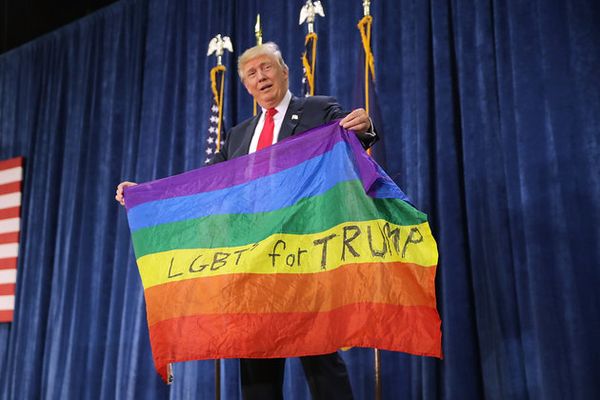
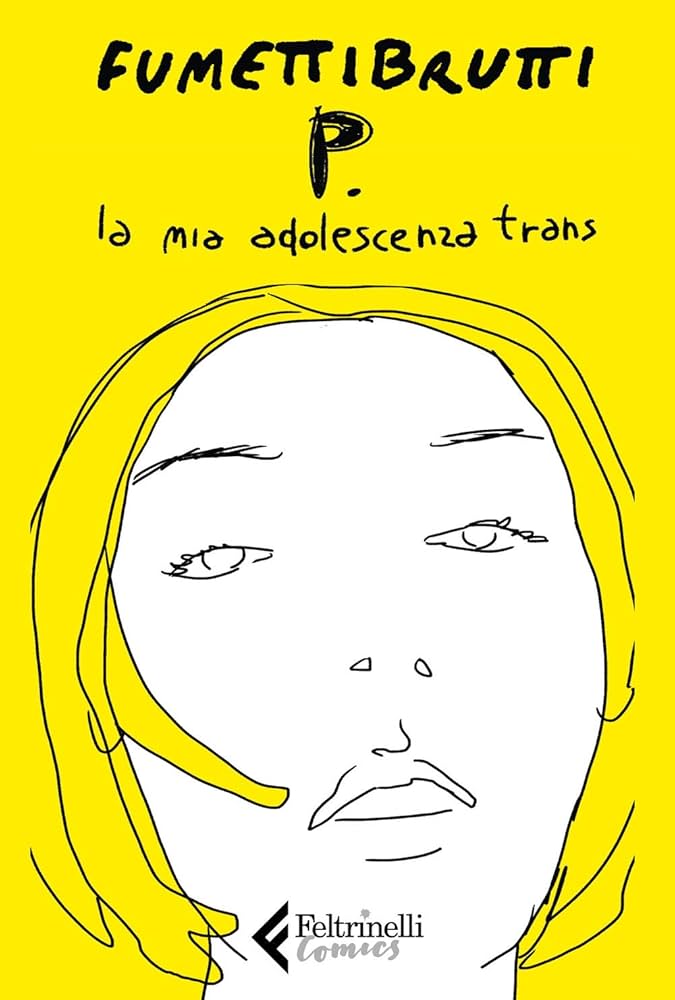
Accade così che nel complesso pacchetto del voto, persone gay votino contro i diritti delle persone trans, che messicani e cubani rigettino gli immigrati di nuova generazione, che afroamericani si schierino contro chi riceve sussidi statali. Che alcune donne si proclamino “portatrici di vita” e combattano le femministe pro-choice.
E poi ci sono loro: i white trash, l’America dimenticata, quella che per anni si è sentita costretta a digerire principi progressisti e fiabe con principesse nere e donne con il pisello entrare nello stesso bagno delle mogli. Oggi si sente ascoltata. Rivendica il diritto di tornare a discriminare apertamente, di riaffermare un’idea di mondo che credeva perduta.
Trump non ha vinto perché è un politico. Ha vinto — e continua a farlo — perché incarna un’idea potente: è l’uomo che “ce l’ha fatta”. In un’America dove forza e ricchezza sono i passaporti per la libertà assoluta (una libertà anarchica), lui rappresenta la versione estrema e seducente del sogno americano. Una libertà non collettiva, ma individuale. Una libertà che si misura, esattamente come dicevo prima, in metri quadri, in follower e, soprattutto, in saldo disponibile.
E da Carroll Gardens, per questa prima “puntata”, è tutto.
🎧 [Per goderti meglio questa rubrica e avere un’esperienza più immersiva, ascolta questa playlist ideata dallo stesso autore: THE BROOKLYN SUN]
***ENG.VERSION***
In New York, the word “success” is everywhere. On billboards, in commercial jingles, in conversations at café tables. A word so overused, so relentlessly repeated, that it creates a subtle kind of existential guilt in people like me, who chose a less conventional path.
I followed my husband to New York — he did come here for a successful career. I say this with admiration and affection: Edu is my husband, my life partner, the man I chose to support, as I always have, and as he deeply deserves.
As for me, I’m fifty-eight. At a certain point I left my job and decided to devote myself entirely to the wellbeing of our little family — which, besides the two of us, also includes two small dogs. Some call them pets. We prefer “the girls.”
When people ask what I do, I answer honestly: I take care of us. I cook, I buy plants, I make vegan desserts. Deep down, I brace myself for an awkward, maybe pitying look. Instead, what I often get is something surprising: admiration.
In this city where everything is measured in square footage, dollars, and lifestyle, I find myself — almost against my will — considered a successful man. I married a wealthy man, I live in a spacious, light-filled apartment in Carroll Gardens, a highly coveted neighborhood for those who can afford the luxury of being “alternative.” I have a credit card that never gets declined.
And so, the old question — in good European existentialist fashion — comes back with force: what determines the value of a human life today? Here the answer seems simple, almost brutal: your purchasing power. But that’s not the whole story. Many friends and relatives, from both sides of the political spectrum (because yes, if Meloni won, it means even someone close to us voted for her), ask me how Trump is perceived here. I’m no sociologist, but I’ve figured out one thing. In a society where personal success is a moral imperative, no one wants to be the outsider, the outcast. So people look for someone lower down, someone to label as the real loser, the anomaly, the “other.”
That’s how, within the complicated package of voting, gay people can end up voting against trans rights, Mexicans and Cubans can reject new-generation immigrants, African Americans can oppose those on welfare. Some women call themselves “life-bearers” and fight pro-choice feminists.
And then there are the white trash, forgotten America, the people who for years felt forced to swallow progressive values and fairy tales with Black princesses and women with penises walking into the same bathrooms as their wives. Today, they feel heard. They claim the right to openly discriminate again, to reaffirm a vision of the world they thought was gone.
Trump didn’t win because he’s a politician. He won — and keeps on winning — because he embodies a powerful idea: he’s the man who made it. In an America where strength and wealth are the passports to absolute freedom (an anarchic kind of freedom), he represents the extreme, seductive version of the American dream. A freedom that isn’t collective, but individual. A freedom measured, just as I said before, in square footage, in followers, and, above all, in available balance.
And from Carroll Gardens, that’s all for this first “episode.”